
Uncategorized
Pure Maple Syrup: The Ultimate Guide to Real Flavor, History, and Uses
Sep
Real maple syrup is one of nature’s most iconic natural sweeteners. Harvested directly from the sap of maple trees, authentic maple syrup delivers a rich, complex flavor profile that artificial pancake syrups simply cannot replicate. Whether you drizzle pure maple syrup over a stack of warm pancakes, use maple syrup as a glaze for savory dishes, or mix real maple syrup into craft cocktails, understanding how maple syrup is made and graded will elevate your culinary experiences.
In this guide, we break down everything you need to know about genuine maple syrup, including its production process, nutritional qualities, culinary pairings, and why high-quality maple syrup is an essential staple for your kitchen and bar.
What Is Authentic Syrup?
Unlike commercial breakfast syrups made primarily from high-fructose corn syrup and artificial flavorings, authentic maple syrup is 100% natural tree sap that has been boiled down to concentrate its natural sugars.
It takes roughly 40 gallons of raw sap from the Acer saccharum (Sugar Maple tree) to produce just one gallon of pure maple syrup. This intensive harvesting process gives genuine maple syrup its distinctive caramel, woody, and vanilla undertones.
The Production Process
- Tapping: During late winter and early spring, temperatures rise above freezing during the day and drop below freezing at night. This thermal expansion creates pressure inside the tree, allowing sap to flow into taps.
- Boiling: The raw sap, which consists of roughly 98% water and 2% sugar, is collected and heated in large evaporators.
- Concentration: As the water evaporates, the liquid thickens and darkens until it reaches a density of around 66% sugar, officially becoming pure maple syrup.
Grades of Syrup Explained
Under international standards set by the USDA and International Maple Syrup Institute, pure maple syrup is categorized into four main Grade A classifications based on color and flavor intensity:
- Grade A | Golden Color & Delicate Taste: Harvested early in the season, this light maple syrup has mild, subtle notes. It is best enjoyed over vanilla ice cream, delicate crepes, or fresh yogurt.
- Grade A | Amber Color & Rich Taste: The most popular choice for everyday traditional use. This balanced maple syrup offers a smooth, defined maple flavor perfect for waffles, oatmeal, and baking.
- Grade A | Dark Color & Robust Taste: Harvested later in the season, this darker maple features a pronounced caramel flavor that holds up well in savory marinades, meat glazes, and bold recipes.
- Grade A | Very Dark Color & Strong Taste: Deep, rich, and almost molasses-like. This robust grade is ideal for commercial baking, craft brewing, and heavy sauces.
The Perfect Pair: Maple Syrup and Premium Spirits
One of the best-kept secrets in mixology is combining the warm, woody sweetness of maple with aged oak-barrel spirits. Because real maple shares natural aromatic compounds with aged oak—such as vanillin and wood tannins—it acts as a natural sweetener for handcrafted cocktails.
When making a classic Old Fashioned or a Whiskey Sour, replacing refined white sugar or simple syrup with real maple syrup adds immediate depth, viscosity, and warmth to the glass.
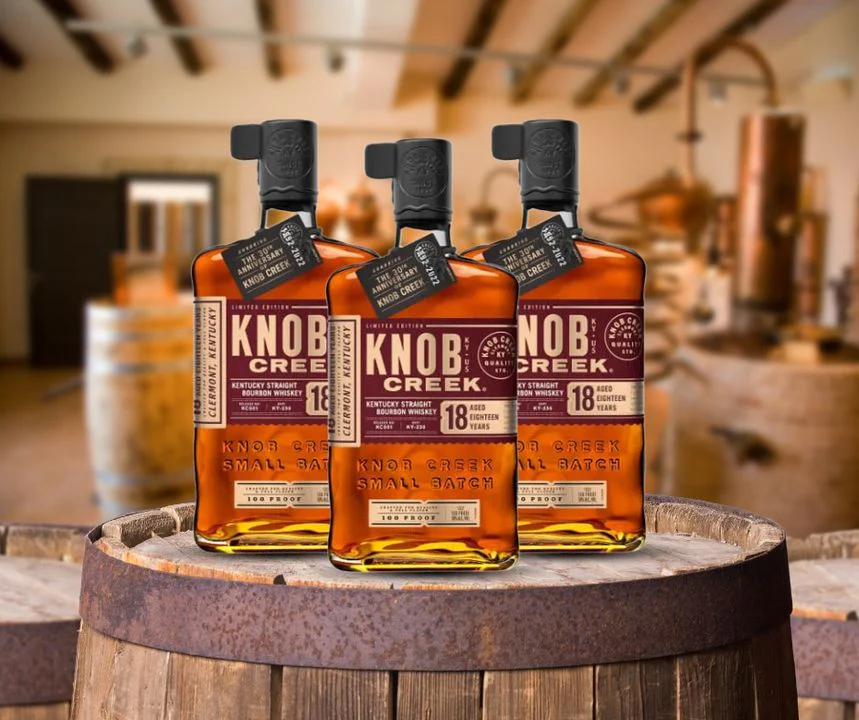
If you are looking to complement your kitchen with top-tier craft beverages, premium bourbons with notes of oak, vanilla, and caramel pair seamlessly with natural maple flavor profiles. You can explore selection options on our Knob Creek Bourbon Home Page to find the ideal bottle for your next cocktail creation.
Culinary Uses: Beyond the Breakfast Table
While drizzling maple over pancakes remains classic, its versatility extends into every corner of modern cooking:
1. Savory Glazes and Marinades
Combine maple with whole-grain mustard, soy sauce, and fresh garlic to create a rich glaze for roasted salmon, pork tenderloin, or Brussels sprouts. The natural sugars caramelize beautifully under high heat.
2. Craft Cocktails & Beverage Sweetening
Use maple as a rich 1:1 replacement for simple syrup in hot coffees, iced teas, or bourbon-based cocktails. It dissolves easily and introduces subtle vanilla notes.
3. Baking Substitute
Substitute refined sugar in baking recipes with syrup. For every cup of white sugar replaced, reduce overall recipe liquid by roughly three tablespoons to maintain proper texture.
How to Store Real Maple Syrup
Because pure syrup contains no artificial preservatives, proper storage is necessary to preserve its fresh taste and quality:
- Unopened: Store sealed glass bottles or containers in a cool, dark pantry. Unopened bottles can last for several years.
- Opened: Once opened, always keep your maple refrigerated. Exposure to air and warm temperatures can lead to crystallization or natural mold development over time.
- Freezing: You can freeze maple syrup indefinitely. Because of its high sugar content, it will not freeze solid, allowing you to thaw and pour as needed.
Upgrade Your Bar and Kitchen Today
Whether you are baking, refining your morning breakfast, or mixing an elevated cocktail at home, choosing authentic maple ensures superior flavor and quality. Pair your favorite bottle of pure maple sweetener with fine spirits from our collection—visit our homepage today to order premium bourbon and elevate your home bar experience.
